
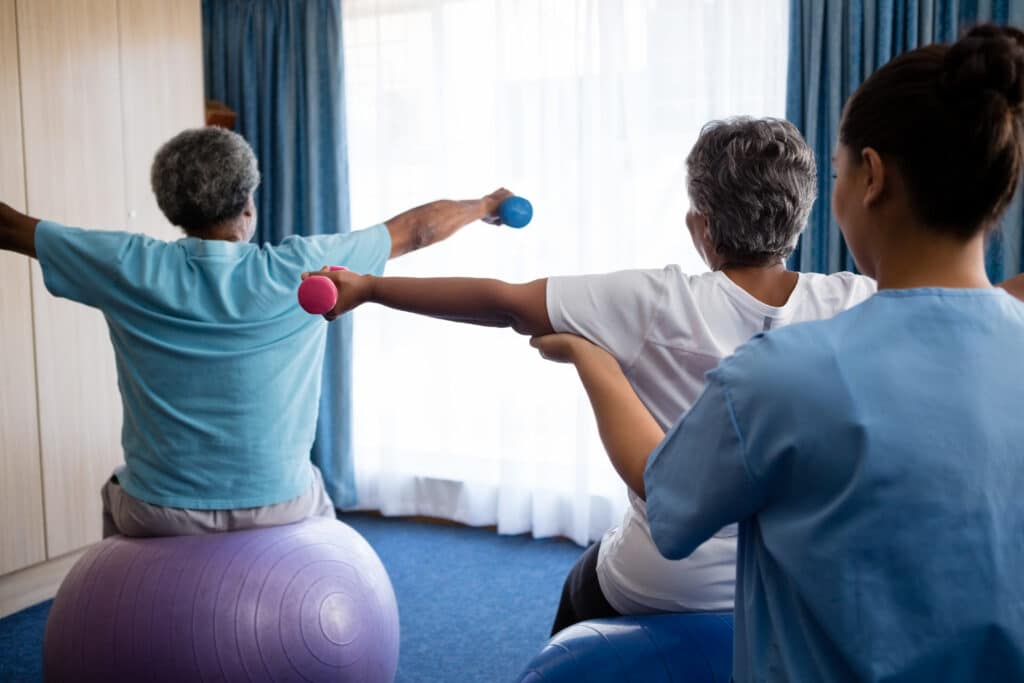
Aging Therapy
Strength, balance, mobility, and confidence change over time. Aging therapy helps older adults stay active, reduce fall risk, and keep doing the daily activities that matter to them.
Care focuses on movement, safety, and quality of life. The goal is to help you feel steadier, stronger, and more supported in everyday life.
What Is Aging Therapy?
Aging therapy is physical therapy and occupational therapy, when helpful, for older adults who want to improve movement, strength, balance, and daily function. It can help with changes related to the aging process, chronic pain, arthritis, weakness, recovery after injury or surgery, and other age-related health concerns.
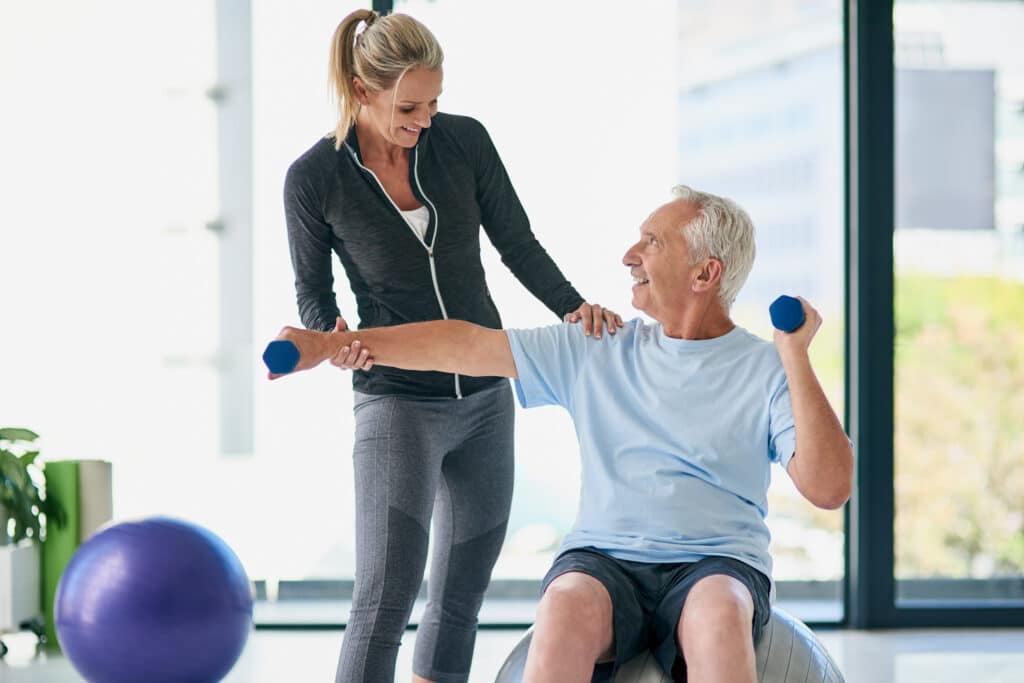
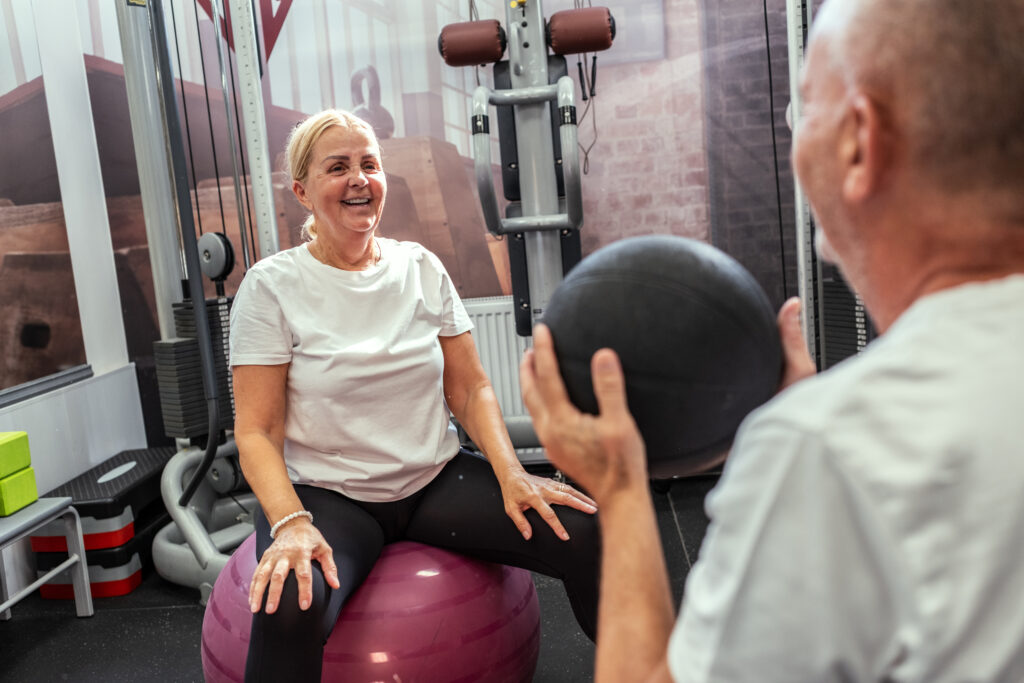
Care may include strength exercises, balance training, mobility work, walking practice, fall-prevention strategies, and home safety guidance. The goal is to help you move more safely, feel more confident, and stay as independent as possible in daily life.
Aging Therapy at Ivy Rehab
Aging affects each person differently. One person may want to walk without feeling unsteady. Another may need help after a fracture, joint replacement, or hospital stay. Someone else may want to keep up with family, stay active in the community, or feel safer at home.
Your Ivy Rehab physical therapist starts by learning what feels harder now and what you want to improve. They check strength, balance, flexibility, walking, coordination, and how daily movements feel.
From there, your treatment plan may combine exercises in the clinic with simple home strategies. If daily tasks like dressing, cooking, bathing, or household chores feel harder, occupational therapy may also support your care.
Who Can Benefit from Aging Therapy?
Aging therapy may be a good fit if you:
- Want to improve balance or reduce fall risk.
- Have noticed less strength, flexibility, coordination, or stamina.
- Are recovering from a fall, fracture, surgery, joint replacement, or illness.
- Live with arthritis, chronic pain, joint stiffness, or another age-related condition.
- Feel less steady walking, climbing stairs, standing up from a chair, or getting in and out of the car.
- Want guidance on safe exercise, healthy aging, and staying active at home.
- Need help staying independent and improving your quality of life.
Therapy isn’t just for people recovering from an injury. It can also help older adults stay ahead of changes that make daily movement feel harder.

Our Aging Therapy Services
Therapeutic Exercise
Exercise is a key part of orthopedic therapy. Your physical therapist will choose exercises that match your condition, strength, mobility, and goals.
Your program may focus on building strength, improving flexibility, restoring balance, or retraining movement patterns. Exercises are adjusted as your body responds.
Manual Therapy
Manual therapy is hands-on care that may help reduce pain, improve joint mobility, and ease muscle or soft-tissue tightness. Techniques may include joint mobilization, soft-tissue mobilization, stretching, or trigger-point work.
Your physical therapist may use manual therapy along with exercise and movement training to help you move more comfortably.
Dry Needling
Dry needling may help with muscle tightness, trigger points, and pain when it’s appropriate for your condition. A trained physical therapist uses thin needles in targeted muscle areas to help reduce tension and improve movement.
Dry needling is not right for everyone and may not be available at every location. Your therapist can help determine whether it fits your care plan.
Pain Management Support
Your physical therapist may use heat, ice, electrical stimulation, or other approaches to help manage pain during therapy. These are combined with exercise, hands-on care, and education.
The goal is to help you move more comfortably while you build strength and function.
Post-Surgical Rehabilitation
After an orthopedic procedure, post-surgical treatment helps you recover safely and rebuild movement over time. Your physical therapist will follow your surgeon’s guidance and adjust your plan based on your procedure, symptoms, and goals.
Care may focus on swelling control, range of motion, strength, balance, walking, lifting, or return to work, exercise, and daily activities.
Sports Medicine and Sports Injury Rehabilitation
Orthopedic therapy can also support athletes and active people recovering from spor ts injuries. Athletic therapy may include strength work, mobility, balance, agility, running progressions, or return-to-sport training.
The goal is to help you recover from the injury and prepare your body for the demands of your sport or activity.
How We Approach Aging Therapy
Step 1: A Practical Evaluation
Your first visit starts with a conversation about your symptoms, routines, goals, and concerns. Your therapist checks strength, balance, flexibility, walking, transfers, and other movements that affect daily life.
This helps your therapist understand where you are now and what kind of support may help most.
Step 2: A Plan Built Around Your Goals
Your care plan is based on your current abilities and what you want to do more safely or comfortably. It may include clinic exercises, hands-on care, home exercises, fall-prevention strategies, and daily movement guidance.
Step 3: Support That Changes with You
Your plan is updated as your body, confidence, and goals change. Your therapist tracks progress, adjusts exercises, and helps you build habits that support safety, wellness, and independence beyond the clinic.
FAQs
Do I Need a Doctor’s Referral to Start Aging Therapy?
Referral rules vary by state and insurance plan. Your local Ivy Rehab clinic can explain what’s required in your area and help you understand your options.
How Can Aging Therapy Help with Quality of Life?
The right plan can make daily tasks feel safer and more manageable. Better strength, steadier movement, and less fear of falling can support independence, social connection, and the activities that matter most.
What Are the Most Effective Aging Therapies Available Today?
The most effective aging therapies usually focus on strength, balance, mobility, walking, and daily function. For many older adults, that means a mix of resistance exercise, gait training, balance work, fall-prevention strategies, and occupational therapy when daily tasks feel harder.
The right plan depends on your health, symptoms, comfort level, and goals. A therapist can help choose safe exercises and adjust your plan as your strength, confidence, and mobility improve.
What Is Aging Therapy, and How Is It Different from Regular Physical Therapy?
Aging therapy is physical and occupational therapy tailored to older adults. It uses the same core rehabilitation principles as physical therapy, but the pace, goals, and treatment plan account for age-related changes in strength, balance, bone health, mobility, and daily function.

Take the first step toward relief.
You don’t have to live with back pain. Ivy Rehab’s expert team is ready to help you move better, feel stronger, and enjoy life without limitations. Schedule an appointment today for the best treatment for back pain.